Heavy Equipment Degreasing in Winnipeg
At a Glance
- Who: 204 Pressure Washing.
- What: Mobile heavy equipment degreasing, thermal shock cleaning, and hydraulic fluid polymerization removal.
- Where: Serving construction sites, mining operations, and commercial yards across Winnipeg, including Transcona and Inkster Industrial Park.
- The Bottom Line: Standard cold-water washing cannot break the chemical bond of polymerized grease. We use 200°F industrial steam and heavy alkaline degreasers to melt the hardened sludge that cooks your engine seals and hides catastrophic, fine-inducing hydraulic leaks.
Why Grease Kills Engines
Grease isn't just dirty; it acts as a massive mechanical insulator. When leaking hydraulic fluid, heavy diesel soot, and job site dirt mix together, they undergo a chemical reaction called polymerization. This actively creates a hardened, baked-on shell over your engine blocks and hydraulic lines.
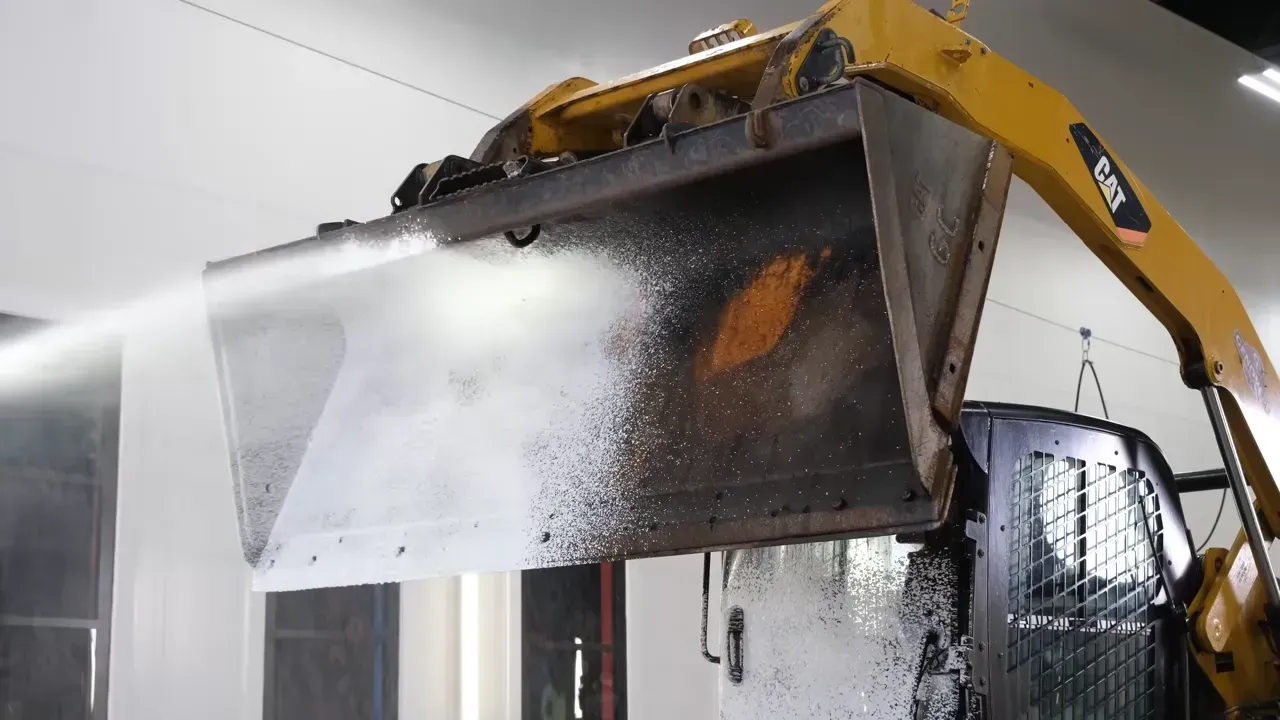
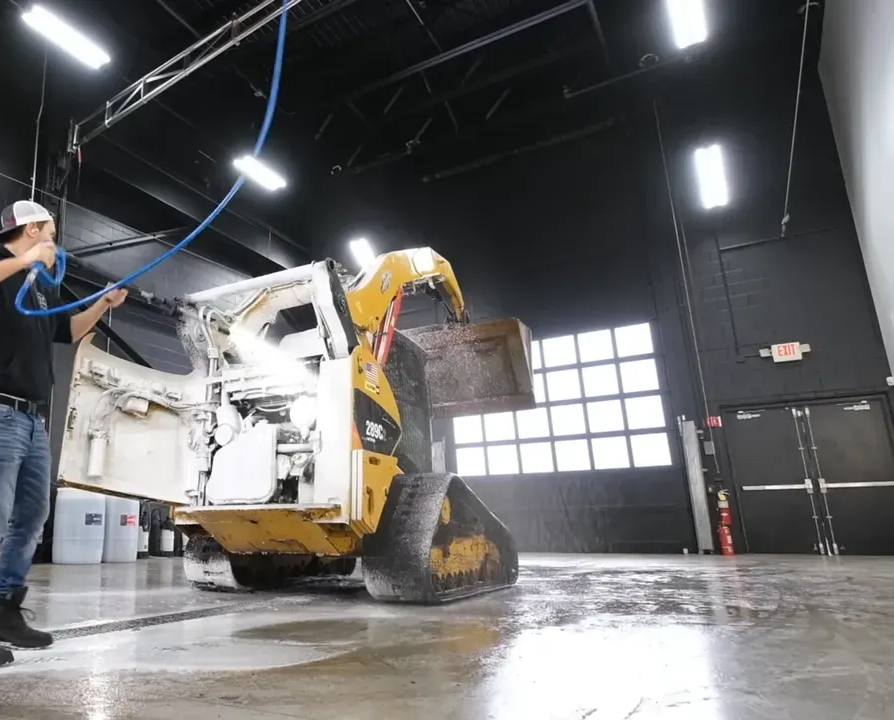
The Risk:
Standard cold-water pressure washers absolutely cannot break this chemical bond. This hardened "blanket" tightly traps engine heat against the block, completely preventing heat dissipation and physically cooking your expensive seals. Furthermore, hidden threats like calcium chloride (road salt) get trapped directly inside this grease matrix. If left sitting against the metal, this toxic mixture accelerates deep rust faster than raw salt alone.
The Solution:
204 Pressure Washing uses industrial-grade steam and chemistry to physically liquefy the polymer structure, allowing the engine to breathe and preventing premature mechanical failure.
The 204 Pressure Washing Degreasing Process
We don't just blast water blindly at a $300,000 machine. We chemically break the bond.
Application:
We apply a heavy-duty, alkaline-based industrial degreaser specifically designed to shatter the surface tension of heavy oil and hydraulic fluid.
Dwell Time:
We let the chemistry sit and aggressively penetrate the hardened sludge. You cannot skip this step; the chemical needs time to work.
Thermal Shock:
We use high-flow, truck-mounted units heating water up to 200°F. The extreme heat chemically turns the grease back into a liquid, and the high-volume flow scours it completely off the metal.
Preventing Failure & Environmental Fines
If you rely on cold water or shop rags, your mechanics are only smearing the top layer of grease around. The real danger is invisible leaks. If your machine is covered in thick layers of sludge, your mechanics cannot see hairline cracks or weeping hydraulic hoses during their daily walkarounds.
A $50 hose replacement can instantly turn into a $10,000 pump failure or a catastrophic environmental spill on a job site if the leak isn't spotted early. Regular, professional degreasing is infinitely cheaper than an environmental spill cleanup and the resulting fines.
Handling Red River Gumbo & Winter Road Salt
Winnipeg is absolutely brutal on heavy machinery. It’s not just the standard job site dirt; it’s the thick Red River gumbo and aggressive winter road treatments. In active development areas like Transcona or the Inkster Industrial Park, we regularly see equipment completely coated in a cement-like mixture of sticky clay and frozen grease.
When your equipment gets transported on the Perimeter Highway during the winter, it gets blasted with heavy traction sand and liquid salt. That salt mixes with the leaking grease on your undercarriage to create a highly corrosive paste that eats straight through steel. Cold water washes in the late fall or early spring simply won't cut through the frozen sludge on your loaders and graders. We use extreme heat to melt the grime so your fleet actually survives the freeze-thaw cycles.
- Phone: 431-804-7997
- Email: 204pressurewashing@gmail.com
- Serving: All Winnipeg locations and surrounding communities.
Frequently Asked Questions
Can you blast out dried Red River gumbo?
Yes, but it requires a turbo nozzle. Standard fan tips barely cut through Winnipeg clay once it dries like concrete; the rotating turbo nozzle chisels the mud out of the tracks.
Do you clean radiators?
Yes, but gently. Radiator fins are delicate aluminum. We use high volume (water flow) rather than high pressure to push dust out without bending the fins and causing overheating.
Is hot water necessary for grease?
Yes, absolutely. Cold water on heavy grease is like washing a butter knife with ice water—it does nothing. Hot water melts the grease so the detergent can emulsify it.
Can you identify hydraulic leaks?
Yes, a dirty machine hides leaks. By degreasing the engine and hydraulic blocks, you can spot exactly where a seal is failing, saving you downtime in the field.
Do you clean before painting?
Yes, paint will not stick to oil. We perform a "white glove" degreasing service that strips the metal down to a raw, clean state ready for primer and paint application.
Is electrical covered?
Yes, we avoid direct high-pressure blasting of alternators, fuse boxes, and exposed sensors. We bag sensitive components or hand-clean them to prevent electrical shorts.
Do you use solvent degreasers?
Yes, for baked-on hydrocarbons. Alkaline soaps work for dirt, but heavy tar and burnt oil often require a hydrocarbon solvent to dissolve the buildup before washing.
Can you clean equipment on-site?
Yes. We have mobile units equipped with water tanks and burners. We service your fleet in the yard or directly on the job site to minimize downtime.