
Deck & Fence Restoration in Winnipeg
At a Glance
- Who: 204 Pressure Washing Winnipeg.
- What: Professional chemical wood restoration, dead lignin stripping, pH-balanced brightening, and penetrating oil sealing for decks and fences.
- Where: Serving homeowners across Winnipeg, Manitoba, including River Heights, Tuxedo, Sage Creek, Transcona, and St. Vital.
- The Bottom Line:
We never use destructive high pressure that causes wood "furring" and splinters. We use a calculated two-step chemical process to dissolve dead fibers, kill organic root systems, and restore the wood's natural pH balance before applying a breathable, penetrating oil sealer.
Why Wood Fails
Wood degradation isn't just dirt, it is a chemical reaction. In Winnipeg, your deck and fence fight two main enemies: UV Damage and Rot.
The Sun: Lignin Failure
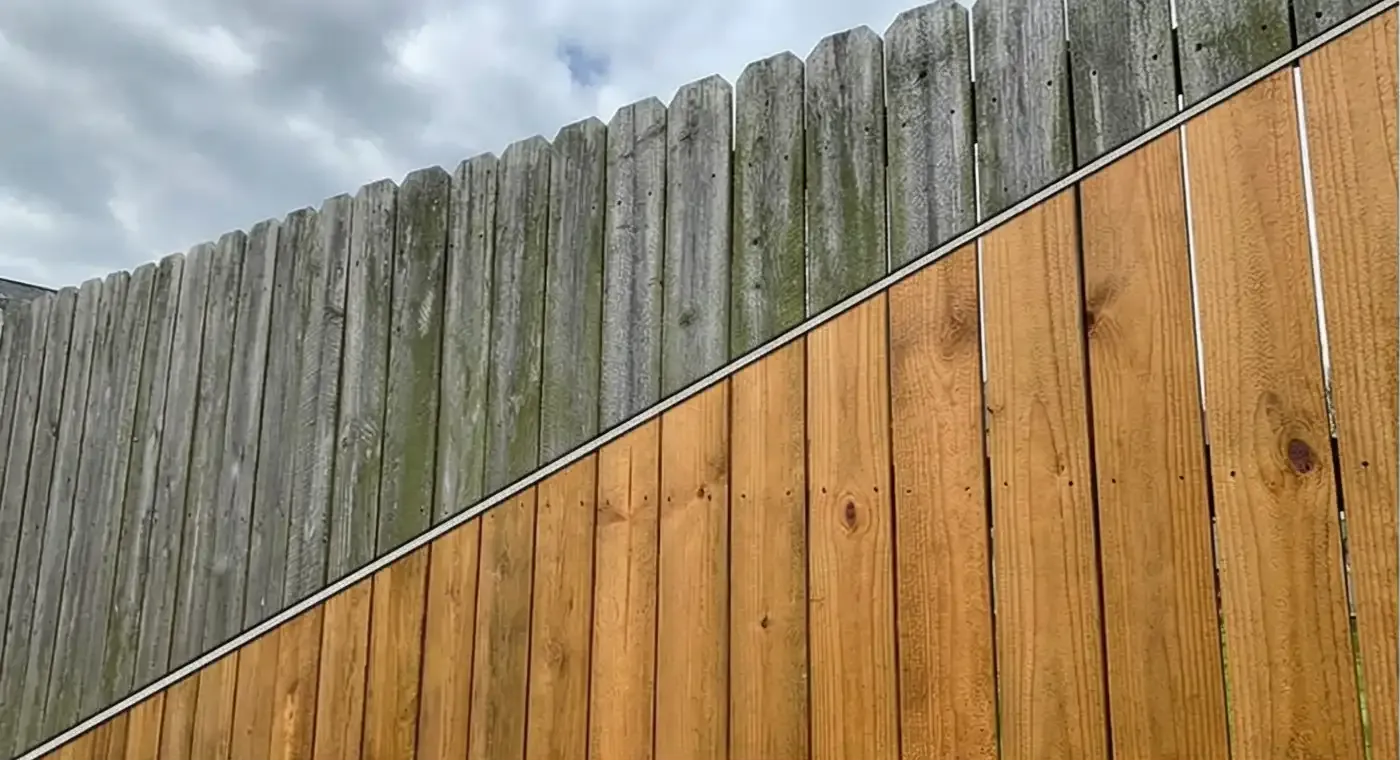
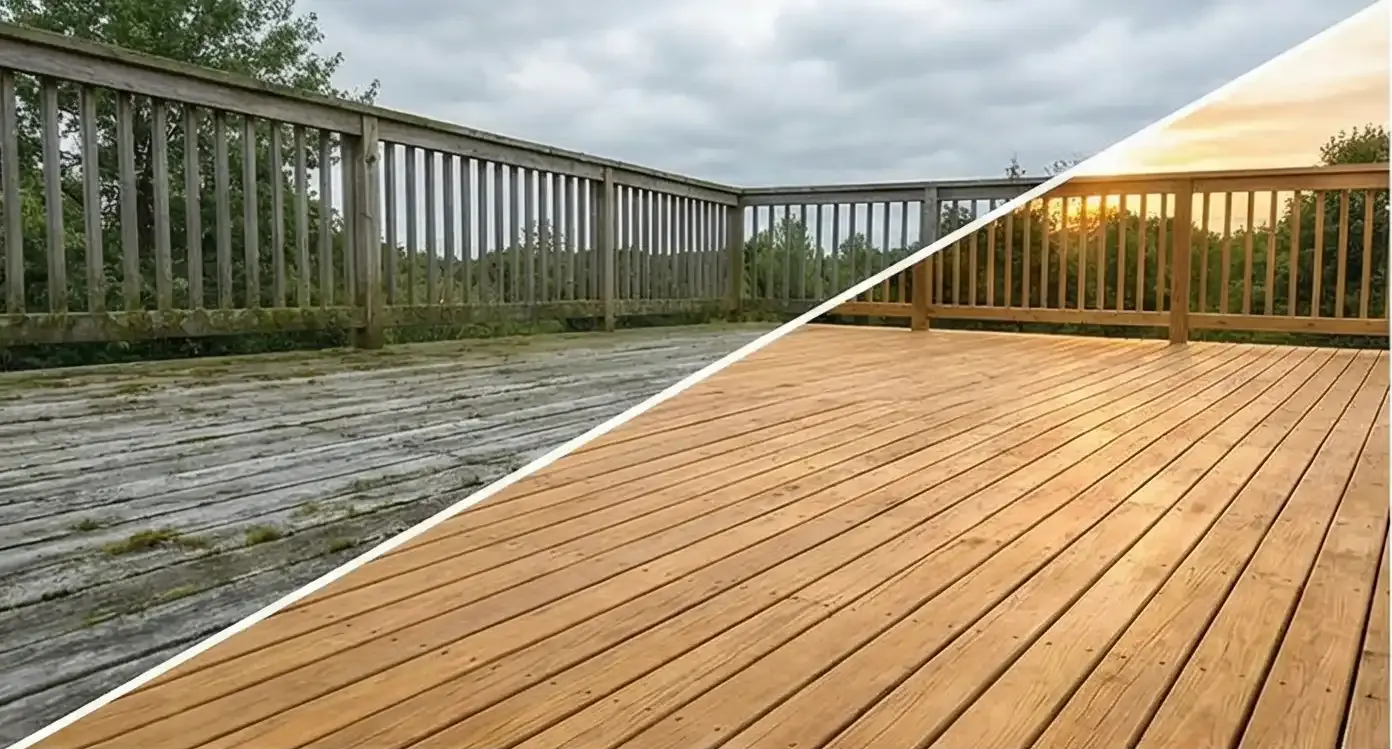
The structural glue holding wood fibers together is called lignin. Direct sunlight actively breaks this lignin down. That is why your fence turns silver or gray—those are dead, detached wood fibers sitting on the surface. If you paint or stain over this gray layer, the coating bonds to the dead fiber, not the solid wood beneath it, and it will peel off in sheets within a single season.
The Moisture:
Biological Growth Moisture trapped in the wood grain invites green algae and black mold. These organisms feed on the natural sugars in the wood, rooting deep into the pores where simple rinsing cannot reach.
Our Process: Chemical Cleaning vs. Pressure Washing
At 204 Pressure Washing, we don't use high pressure to clean wood. Blasting a deck with water destroys the soft grain (early wood) and leaves the hard grain (late wood) raised, resulting in a splintery, fuzzy surface known in the industry as "furring."
Instead, we use a two-step chemical restoration process:
Step 1: Cleaning & Stripping.
We apply a professional-grade cleaner (Sodium Percarbonate or Metasilicate) that sits on the surface. This lifts old failing sealers, dissolves the dead lignin, and kills organic growth at the root without damaging the healthy wood fibers underneath.
Step 2: Brightening.
Wood cleaners are highly alkaline (high pH), which turns the wood very dark. We apply an acidic neutralizer (Oxalic Acid) to restore the natural pH balance. This chemical reaction opens the wood pores, aggressively brightens the color, and perfectly prepares the surface to accept a new stain.
The Risk of Neglect:
Failing to remove dead lignin guarantees your new stain will peel. Failing to neutralize the pH before staining results in a blotchy, dark, and uneven finish that fails quickly.
Battling the Winnipeg Climate
The Red River Valley has one of the hardest climates in North America for exterior lumber. It isn't just the snow; it is the brutal Freeze-Thaw Cycle.
Winnipeg swings from -40°C in the winter to +40°C in the summer. Physics dictates that when water gets into your unsealed deck boards and freezes, it expands by exactly 9%. This causes severe cracking, checking, and warping. If your wood is not properly cleaned and sealed, winter will literally tear the fibers apart from the inside out.
We adapt our restoration process to the specific issues in your neighborhood:
- River Heights & Tuxedo: Mature elms provide heavy shade. This locks in moisture, creating a massive breeding ground for thick green algae and moss on fences.
- Sage Creek & Transcona: With fewer mature trees, decks face direct, punishing UV exposure. This causes rapid graying and the total breakdown of wood fibers.
- St. Vital: Being close to the Red River significantly increases local humidity, accelerating rot in untreated Cedar or pressure-treated Spruce.
204 Pressure Washing adjusts our chemical dwell times and sealing process to handle the specific moisture load and sun exposure found on your exact property.
Restoration & Maintenance Services
List of Services
-
Removing Old FinishesItem Link List Item 1
We specialize in stripping failing acrylic stains and peeling oil finishes. Using the correct chemical dwell time, we melt the old coating off without ever gouging the floorboards with a pressure wand. We follow this with our brightening treatment to return the raw wood to a "like-new" appearance.
-
Fence WashingItem Link List Item 2
Fences often turn green before they turn gray. We utilize our soft-wash system to kill algae blooms instantly. This immediately improves curb appeal and prevents structural rot at the base of your posts.
-
Penetrating Oil SealingItem Link List Item 3
Once the wood is restored, 204 Pressure Washing verifies the internal moisture levels with a digital pin meter. Industry standards require wood to be under 12% moisture content before sealing. If you seal damp wood, you trap moisture inside, causing the wood to rot from the inside out. Once perfectly dry, we apply a professional-grade penetrating oil. These oils soak deep into the wood's core rather than sitting on top as a film, meaning they will never peel or flake when the temperature drops.
Protect Your Investment
Don't let a DIY pressure washing mistake ruin your lumber. Let the professionals handle the chemistry.
- Phone: 431-804-7997
- Email: 204pressurewashing@gmail.com
- Serving: All Winnipeg locations and surrounding communities.
Frequently Asked Questions
Does the weight of Winnipeg snow affect deck cleaning timing?
No, the structure handles the weight, but cleaning should be done before snow falls. Leaving organic rot and mold under snow for five months accelerates decay and makes the wood slippery in spring.
Do you sand the wood after washing?
Yes, if you plan to stain it. Pressure washing, even carefully, raises the wood grain (furring). A light sanding is required to knock down these fibers for a smooth finish.
Can you strip solid stain?
Yes, but it requires a sodium hydroxide stripper and significant dwell time. Water pressure alone will only chip the paint, creating a mess without removing the bond.
Is gray wood dead?
No, the gray color is just UV-damaged wood fibers. Underneath that thin layer, the wood is healthy. We wash away the gray fibers to reveal the fresh, natural tone beneath.
Does chlorine bleach damage wood lignin?
Yes, if used incorrectly or not neutralized. Bleach can break down the cellular glue (lignin) holding wood together, which is why we always follow a wash with an acidic brightener to restore the pH balance.
Can you clean composite decking?
Yes, using low pressure and specific detergents. High pressure can permanently etch patterns into the soft plastic surface of composite materials, ruining the aesthetic.
Will pressure washing remove warping?
No, warping is a structural issue caused by moisture absorption and drying unevenly. Cleaning improves the look and health of the wood but cannot physically bend a board back to straight.